An Unbiased View of Lab Grown Diamonds
Table of ContentsThe 10-Second Trick For Lab Grown Diamonds9 Easy Facts About Lab Grown Diamonds Shown3 Simple Techniques For Lab Grown DiamondsThe Ultimate Guide To Lab Grown Diamonds
As you take a trip closer to the Earth's core, stress and temperature level rise, which develops the ideal stove for carbon to be transformed into ruby (diamonds are the only gems to be made from totally one aspect). With a large volcanic eruption, these rubies were delivered to the Earth's surface. It's estimated this process was fairly quick (most likely throughout a number of hours), which enabled the diamonds to stay intact without melting.The brief response: carat weights gauge the mass of stones, karats determine the purity of gold. Carat: 1 carat weight is equal to 0.2 grams, about the weight of a paperclip (following time you see an image of Mariah Carey's 35 carat weight engagement ring, just visualize the problem of carrying 35 paper clips around your finger every day).

Here are several of the crucial advantages of lab grown rubies and laboratory grown diamond jewelry:.
The 9-Second Trick For Lab Grown Diamonds
Place simply, natural or earth-mined diamonds are crafted over millions of years beneath the Planet's crust from pure carbon incorporated with pressure and warm. Creating rubies in a laboratory calls for the very same process, simply fine-tuned to occur over a much smaller sized period in a much a lot more controlled setup.
Whereas earth-mined rubies are uncommon and finite and have a tendency to raise in rate gradually, lab diamonds are conveniently offered. As demand rises, labs can proceed to generate lab diamonds indicating they are not limited or scarce contrasted to all-natural rubies. If you have an interest in fine precious jewelry from a financial investment standpoint, like lab-grown ruby rings, they will not be a good fit for your requirements.
They could assume that the cons of lab-grown diamonds surpass the pros. Problems, wars, and human rights problems are all come together with the diamond industry. That claimed, the ruby sector does offer income to third-world countries. Some might argue that, consequently, purchasing a lab-made diamond also includes its honest factors to consider, as doing so takes income far from those associated with the all-natural ruby market that may need it most.
Conventional rubies rely on the Earth's conditions to establish their high quality or absence thereof. In a lab, suppliers can straight manage a diamond's top quality.
Examine This Report about Lab Grown Diamonds
You can easily locate tinted, synthetic rubies on the (reasonably) affordable side as well as certain cuts that would certainly be pricier if you were going shopping for an extracted diamond just. That rarely implies it isn't worth securing.
natural diamonds is that the last is extracted you can try this out from all-natural down payments in the Planet while the former is made in a laboratory using regulated setups. Yet their top quality is greatly the exact same. Lab Grown Diamonds. While the difference in between lab-grown and all-natural ruby alternatives are very little when it concerns high quality, a few of the downsides of lab-grown rubies consist of the reality that the stone will diminish in time and, to some, an absence of nostalgic value that's frequently related to extracted diamonds
The procedure includes marginal land disruption and removes problems connected to logging and habitat damage. Lab-grown rubies are usually extra inexpensive than natural diamonds. This expense distinction can be attributed to the structured production procedure and the evasion of expenditures connected with traditional mining. The Controlled Atmosphere in Which Laboratory Grown Diamonds Are his comment is here Produced Enables for Constant Quality.
Versatility in Design - Laboratory Grown Diamonds Offer Developers and Consumers a Versatile Palette to Develop Unique and Ingenious Fashion Jewelry Layouts - Lab Grown Diamonds. Lab Diamonds Typically Come with A More Transparent Supply Chain.
The Facts About Lab Grown Diamonds Uncovered
Market Understanding - Despite Their The Same Physical Features, Laboratory Diamonds May Face Challenges in Market Understanding. Some Customers Still Perceive Natural Diamonds as Having Greater Value and Reputation. The Manufacturing of Lab-Grown Diamonds Can Be Energy-Intensive, Especially in Approaches Like High Stress Heat (hpht) and Chemical Vapor Deposition (cvd).
Natural Diamonds Are Formed Over Countless Years Deep Within the Planet, Adding To Their Viewed Rarity. Lab-Grown Rubies, Despite Their Similar Quality, May Not Bring the Very Same Rarity Variable, Influencing Their Viewed Value for Some Customers. Effect On Diamond-Dependent Economic Situations - the Change Towards Lab Grown Diamonds May Have Financial Ramifications for Countries and Areas that Depend Upon The Diamond Mining Industry.
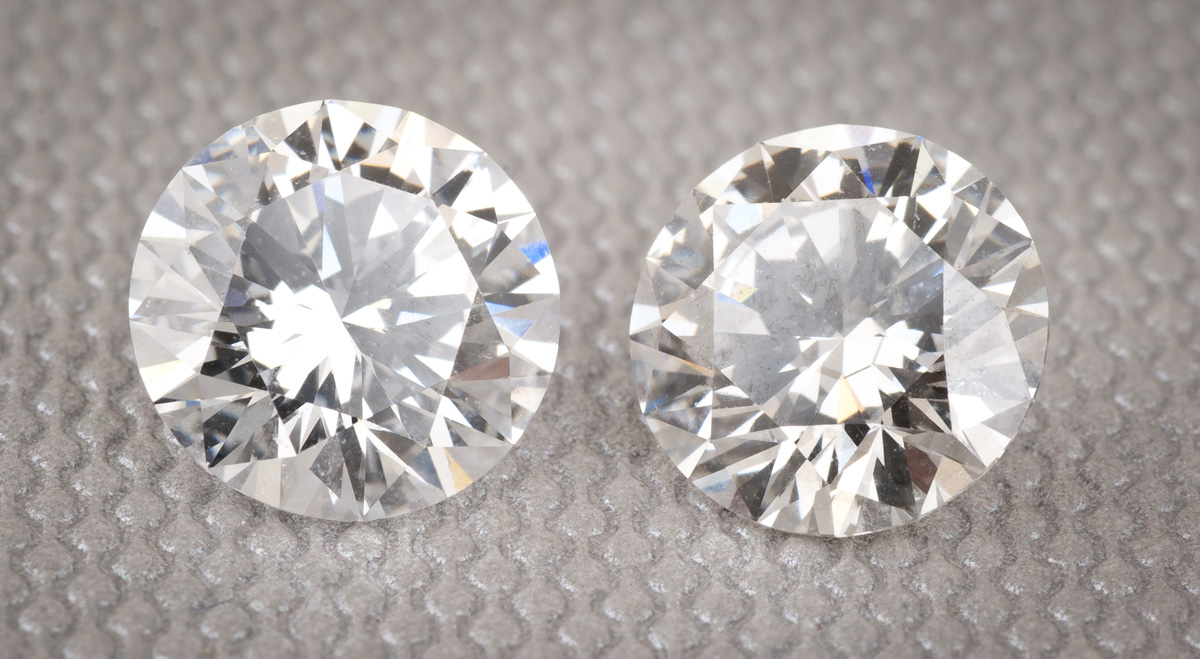
Ans. Laboratory Rubies Are of Equal Quality to Natural Diamonds in Terms of Solidity, Sparkle, and Quality. the Quality of A Diamond, Whether Lab-Grown or Mined, Is Determined by Its Cut, Shade, Clarity, and Carat Weight. Ans. Yes, Laboratory Diamonds Shimmer Similar To Natural Diamonds. Their Luster and Glimmer Are an Outcome of Their Cut and The Way Light Communicates with Their Facets. Ans.